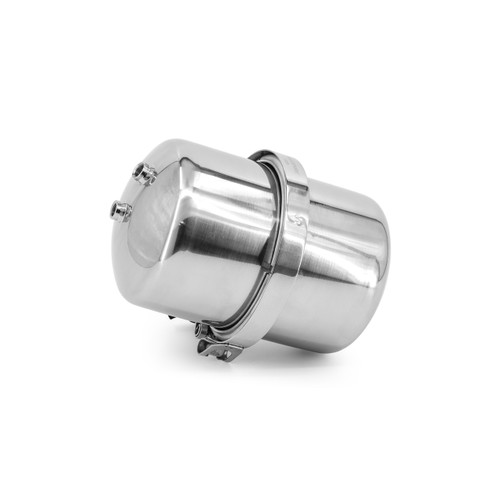
Aquaversa
$455.00 - $588.00


Improve your water and your health with Multipure water filter products to last a lifetime, and suited to your specific needs. Enjoy fuller, happier lives through better water, better health, and better wellness.
Shop Now
Improve your water and your health with Multipure water filter products to last a lifetime, and suited to your specific needs. Enjoy fuller, happier lives through better water, better health, and better wellness.
Shop Now
Improve your water and your health with Multipure water filter products to last a lifetime, and suited to your specific needs. Enjoy fuller, happier lives through better water, better health, and better wellness.
SHOP NOW
Improve your water and your health with Multipure water filter products to last a lifetime, and suited to your specific needs. Enjoy fuller, happier lives through better water, better health, and better wellness.
Shop Now
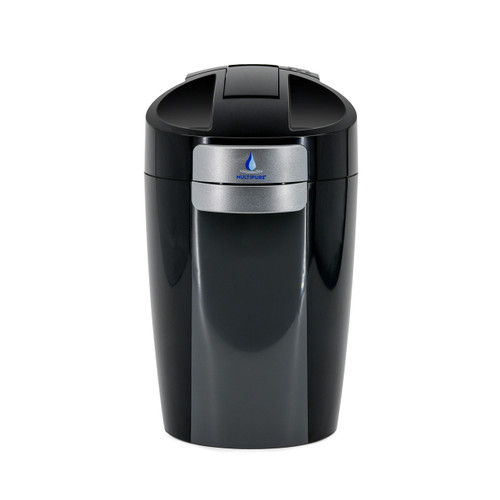
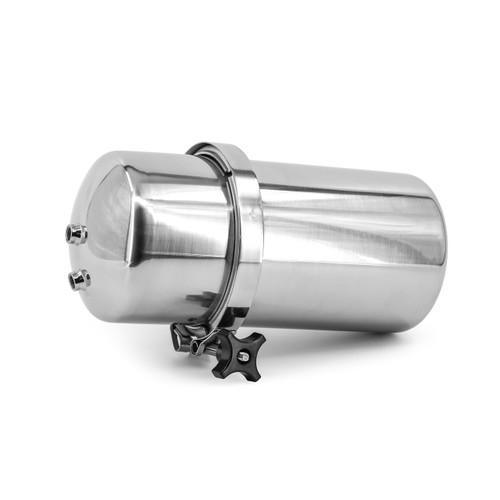
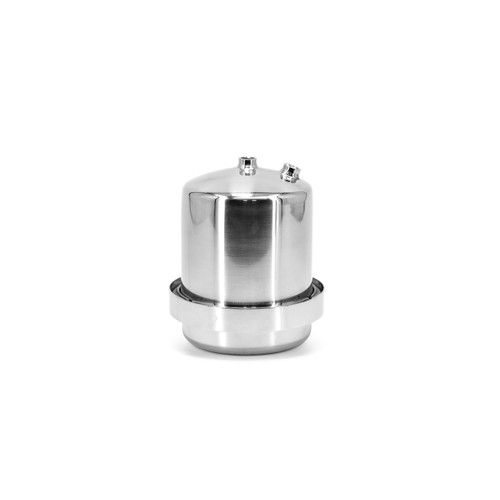
Multipure offers a variety of water treatment products, accessories, and apparel to meet your needs.



This where you can sign up to start your Multipure Business. Our clean drinking water business is simple and doesn’t require big, upfront or ongoing purchases to stay in the business. Simply sign up, and share your passion for cleaner water.
The Multipure business opportunity gives you the ability to build a business out of helping others drink clean water. Follow your passion of helping others lead a healthier lifestyle and helping to protect the environment.