The media does the advertising and selling for us
Submitted by: Will and Gemma McCoy, National Network Directors
September 15, 2009
You've probably noticed that in the last year, especially, there has been an abundance of articles about the economical, poor quality, and environmental unsoundness of drinking bottled water over tap water. Nice how the media helps us out there, yes?
And for those who think that switching back to tap water is a safe and positive alternative, it's good to see that the media helps us out there too. Just yesterday, we received a few different emails from friends directing us to these recent articles about pollutants in our nations drinking water supply. This first one, an extensive report from the New York Times entitled "Clean Water Laws Are Neglected, at a Cost in Suffering", focuses on the increased violations of the Clean Water Act and the impact on individuals health, stating "an estimated one in 10 Americans have been exposed to drinking water that contains dangerous chemicals or fails to meet a federal health benchmark" and "Today the violations are much more subtle -- pesticides and chemicals you can't see or smell that are even more dangerous." For a full reading of the article, you can go to: http://www.nytimes.com/2009/09/13/us/13water.html?_r=1&em
The second one is a link to a very informative chart from the National Tap Water Quality Database, which "shows widespread contamination of drinking water with scores of contaminants for which there are no enforceable health standards":
http://www.ewg.org/tapwater/national/unregcontams.php
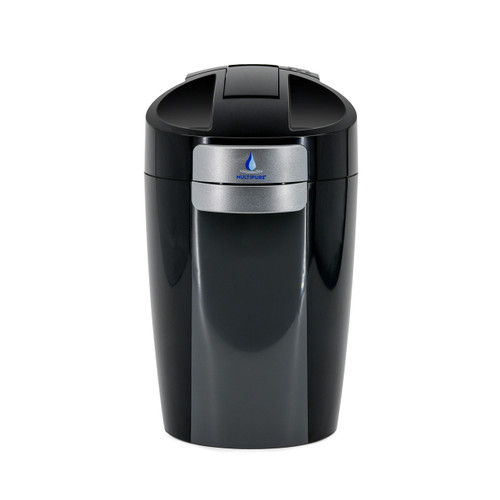
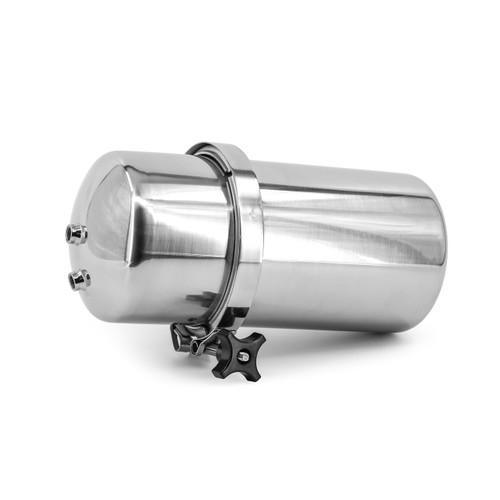
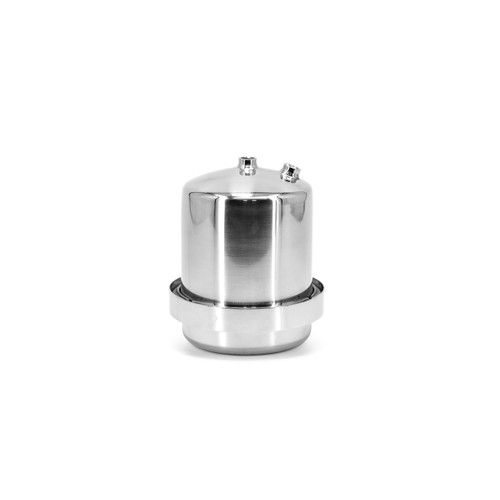
Is going back to drinking tap water the solution to the bottled water blues? Absolutely NOT!! And aren't we fortunate to get to redirect those bottled water drinkers (and ex-bottled water drinkers) to the proven superior, cost effective, environmentally friendly best choice .... Multi-Pure!!
Have fun ... there is no time like NOW to speak with others about Multi-Pure.
With appreciation ~ Will & Gemma
IL community gets high nitrates warning
MENDON, IL , September 3, 2009 (Water Tech) — A recent routine weekly water test revealed high nitrate levels in this western Illinois village’s drinking water, a September 3 Quincy Herald-Whig story said.
The village on August 21 received news that the nitrate level was 12 milligrams per liter (mg/L); the federal maximum contaminant level is 10 mg/L. The Mendon Water Department distributed a drinking water alert that day noting that while the water was safe for adults and children older than 6 months of age, the high nitrate level posed a danger to infants 6 months and under.
Water high in nitrates that is ingested by infants, pregnant women, adults with low stomach acidity or people with a certain enzyme deficiency can cause methemoglobinemia, or “blue baby syndrome,” as the ingested nitrates are converted to nitrites in the body. This reduces the oxygen-carrying capacity of the blood, and severe cases result in brain damage or death.
Multi-Pure Commentary:
Multi-Pure’s MP750 Plus RO has been certified by NSF International, under Standard 58, to reduce Nitrates.
Filtration system, bottled water temporary solutions
RAYMOND, NH, September 10, 2009 (Water Tech) — The New Hampshire Department of Environmental Services (DES) has supplied at least one homeowner in the Windmere development with a drinking water filtration system and others nearby with 5-gallon bottles of water after TCE was detected in nearby wells, WMUR News 9 reported September 10.
State officials have found low levels of TCE, or trichloroethylene, and arsenic in local wells.
Mike Wimsatt, waste management division director of the New Hampshire DES, said other residential filtration systems may be installed.
According to WMUR News 9, DES is investigating the potential that the TCE is leaching into the drinking water from the Mottolo Pig Farm. The farm, now an overgrown forested area, is a US Environmental Protection Agency Superfund site. It made the list because a former owner allegedly buried chemical manufacturing waste at the site in the 1970s.
Wimsatt said, “It’s our assessment, at this point, that more than likely the additional pumping stresses that were placed on the bedrock aquifer by the development in the area resulted in drawing the plume of contaminants in that direction.”
Multi-Pure Commentary:
Multi-Pure Drinking Water Systems have been certified by NSF International, under Standard 53, to reduce TCE (a VOC).
WY rancher still doesn’t trust his well water
PAVILLION, WY, September 11, 2009 (Water Tech) — EnCana Oil & Gas USA is set to discontinue bottled water distribution to one resident here who has said his well water was good for 30 years prior to EnCana’s gas well drilling in his community, according to a September 10 Casper Star-Tribune article on the Web site for The Billings Gazette.
Rancher Louis Meeks and several of his neighbors in this rural ranching and farming community in Fremont County have suspected for years that their drinking water wells might be contaminated from the deep natural-gas well drilled by EnCana Oil & Gas.
Meeks previously brought a lawsuit against EnCana, and the two parties entered into a mediation agreement in which EnCana would deliver drinking water to Meeks’ home.
According to EnCana spokesman Randy Teeuwen, the oil and gas company was delivering the water to be a “good neighbor,” not because there was anything that could conclusively tie the company’s activities to what is in Meek’s well. Teeuwen said the agreement allowed for EnCana to stop providing bottled water to Meeks on September 15, 2009.
Contaminated water drunk by 1 in 10 Americans: NY Times
NEW YORK, September 14, 2009 (Water Tech) — An estimated 1 in 10 Americans have been exposed to drinking water that contains dangerous chemicals or fails to meet a federal health benchmark in other ways, an investigation by The New York Times has found. A report of the investigation was published in the September 13 edition of the newspaper.
“Those exposures include carcinogens in the tap water of major American cities and unsafe chemicals in drinking-water wells. Wells, which are not typically regulated by the Safe Drinking Water Act, are more likely to contain contaminants than municipal water systems,” the report said. It notes that many who consume dangerous chemicals through their drinking water do not realize it because “most of today’s water pollution has no scent or taste.”
The Times said its research included the review of “hundreds of thousands of water pollution records” from all 50 states and the US Environmental Protection Agency (EPA) obtained through Freedom of Information Act requests, as well as from more than 250 interviews with state and federal regulators, water-systems managers, environmental advocates and scientists. The Times compiled a national database of water pollution violations “that is more comprehensive than those maintained by states or the EPA,” the report said.
The Times says its research shows that 40 percent of the nation’s community water systems violated the Safe Drinking Water Act at least once last year. “Those violations ranged from failing to maintain proper paperwork to allowing carcinogens into tap water. More than 23 million people received drinking water from municipal systems that violated a health-based standard,” the report said.
The Times reported that the federal Clean Water Act, a water pollution-control law passed in 1972, has been violated more than 506,000 times since 2004, by more than 23,000 companies and other facilities, according to reports submitted by polluters themselves.
“Companies sometimes test what they are dumping only once a quarter, so the actual number of days when they broke the law is often far higher. And some companies illegally avoid reporting their emissions, say officials, so infractions go unrecorded,” according to the report.
Multi-Pure Commentary:
Another reason why Multi-Pure is the best solution…..TALK TO PEOPLE about the advantages of having a Multi-Pure Drinking Water System.
WQA urges use of POU devices following NYT report
LISLE, IL, September 15, 2009 (Water Tech) — Following the publication of a New York Times study revealing that 10 percent of Americans have been exposed to polluted drinking water, the Water Quality Association (WQA) issued a September 14 press release urging consumers to consider installing final contaminant barriers in their homes.
The newspaper reported results of its research in the second part of its series, “Toxic Waters.” The investigation reported:
● Ten percent of Americans “have been exposed to drinking water that contains dangerous chemicals or fails to meet a federal health benchmark in other ways.”
● Wells are more likely than municipal water systems to contain contaminants.
● An estimated 19.5 million Americans “fall ill” every year to contaminated water.
● Up to one in six Americans might be ingesting some level of pharmaceuticals in their drinking water.
WQA Executive Director Peter J. Censky said in the release that filtering systems in the home provide the highest technology available to treat drinking water. Less than 2 percent of all water consumed is ingested by humans, making point-of-use systems the most cost-effective and environmentally friendly available.
Censky acknowledged that utilities are required to meet safety standards set by the US Environmental Protection Agency, but noted that the Times reported more than half a million violations of the Clean Water Act since 2004.
“Home filtering systems act as a final contaminant barrier and can further purify water for drinking,” Censky said.
Multi-Pure Commentary:
Another reason why Multi-Pure is the best solution…..TALK TO PEOPLE about the advantages of having a Multi-Pure Drinking Water System.
Pesticides-in-water prompt POE carbon
STAMFORD, CT, September 17, 2009 (Water Tech) — Officials here dealing with the discovery of two long-banned pesticides in residential well water are offering affected homeowners bottled water and point-of-entry (POE) carbon filtration systems, The Stamford Times reported September 16.
The private wells contain elevated levels of dieldrin and chlordane, two man-made chemicals used for insect extermination that were banned in the 1970s over the potential harm they could cause humans. The wells are located at homes near Scofieldtown Park, a park on the site of a closed municipal landfill.
State and city officials are still investigating how the pesticides have made their way into the wells. To protect the public’s health, the park has been closed and nearby households are being tested. A “focus area” has been identified which includes about 100 homes and a private day school for disabled children.
Some are hypothesizing that large amounts of the pesticides, which bind to soil, may have been dumped into a toilet. According to Meg Harvey, epidemiologist with the Connecticut Department of Public Health’s Division of Environmental Health, “What you flush down your toilet goes into the septic tank and eventually leaks into the groundwater.”
Any home that tests positive for the pesticides will be outfitted with a carbon filtration system as a temporary measure. Stamford’s Director of Engineering Lou Casalo said in the story that the filters usually are recommended as a permanent solution, but that is not ideal in this case because they require maintenance.
Multi-Pure Commentary:
Another reason why Multi-Pure is the best solution…..TALK TO PEOPLE about the advantages of having a Multi-Pure Drinking Water System.
Medicines, perchlorate on new EPA ‘candidate’ list
WASHINGTON, September 23, 2009 (Water Tech) — Emerging contaminants (ECs) such as pharmaceuticals and hormones, as well as disinfection byproducts, natural elements and pesticides, are among the substances on the US Environmental Protection Agency’s (EPA) newly released list of potential future drinking water contaminants, according to information released by EPA on September 23.
These regulatory “contaminant candidates” are known or anticipated to occur in public water systems and may require regulation.
Rocket-fuel chemical perchlorate and the chemical used to make Teflon®, perfluorooctanoic acid (PFOA), also are on the final CCL 3, the third list of its kind produced by EPA in recent years. In all, the CCL 3 includes 104 chemicals or chemical groups and 12 microbiological contaminants, including the bacteria E. coli. Other contaminants on the list include pesticides, herbicides, disinfection byproducts, pharmaceuticals, chemicals used in commerce, waterborne pathogens and algal toxins.
The EPA said its selection of the contaminants builds upon evaluations used for previous Contaminant Candidate Lists and is based on “substantial expert input and recommendations” from different groups including stakeholders, the National Research Council and the National Drinking Water Advisory Council.
The CCL 3 does not now impose any requirements on public water systems, but it will be the basis for EPA’s consideration of what substances could be regulated in the future.
PCE linked to increased risk of defects: research
LONDON, September 23, 2009 (Water Tech) — Scientists have reported a heightened rate of birth abnormalities among children of women in the United States whose drinking water was contaminated with perchlorethylene (PCE), The Press Association of the United Kingdom (UKPA) reported September 23.
The problems included cleft lips and palates and neural tube defects such as spina bifida.
The study focused on contamination of supplies in eight Cape Cod, MA, towns where the contamination was caused by water pipes lined with a vinyl coating containing PCE, according to the UKPA.
Between the late 1960s and 1980, more than 600 miles of pipes were coated with the lining to improve water taste and odor. It led to PCE levels in drinking water far exceeding the maximum 5 micrograms per liter (5 parts per billion) currently allowed under federal safe drinking water regulations.
Previous animal research has associated fetal exposure to PCE and related solvents with a range of abnormalities in offspring affecting the heart, skeleton, nervous system and eyes.
In the new study, investigators compared 1,658 children who had suffered PCE exposure in the womb and 2,999 children with no history of PCE exposure. PCE also is known as tetrachloroethylene.
Dr. Ann Aschengrau of Boston University’s School of Public Health led the research reported in the journal Nature, the UKPA article said. She is quoted saying: “Because PCE remains a commonly used solvent and frequent contaminant of ground and drinking water supplies, it is important to understand its impact on the developing fetus."
Multi-Pure Commentary:
Multi-Pure Drinking Water Systems have been certified by NSF International, under Standard 53, to reduce PCE (same as Tetrachloroethylene), a VOC.
Please Note: iwaterdrops is intended
to be an informational and educational
news bulletin for Multi-Pure Independent
Distributors. The news articles
included are excerpted from the publications
shown. The contamination problems
and health effects reported occurred
in the community or region identified
in the article. Please check your
local newspapers and magazines for stories
about pollutants and water treatment
problems in your own community.
For previous issues of iwaterdrops go
to: http://www.multipureco.com/BusinessGuide/iwaterdrops.htm
If you do not wish to be included in
future mailings of iwaterdrops, reply
to this email with remove in the subject
line. |